
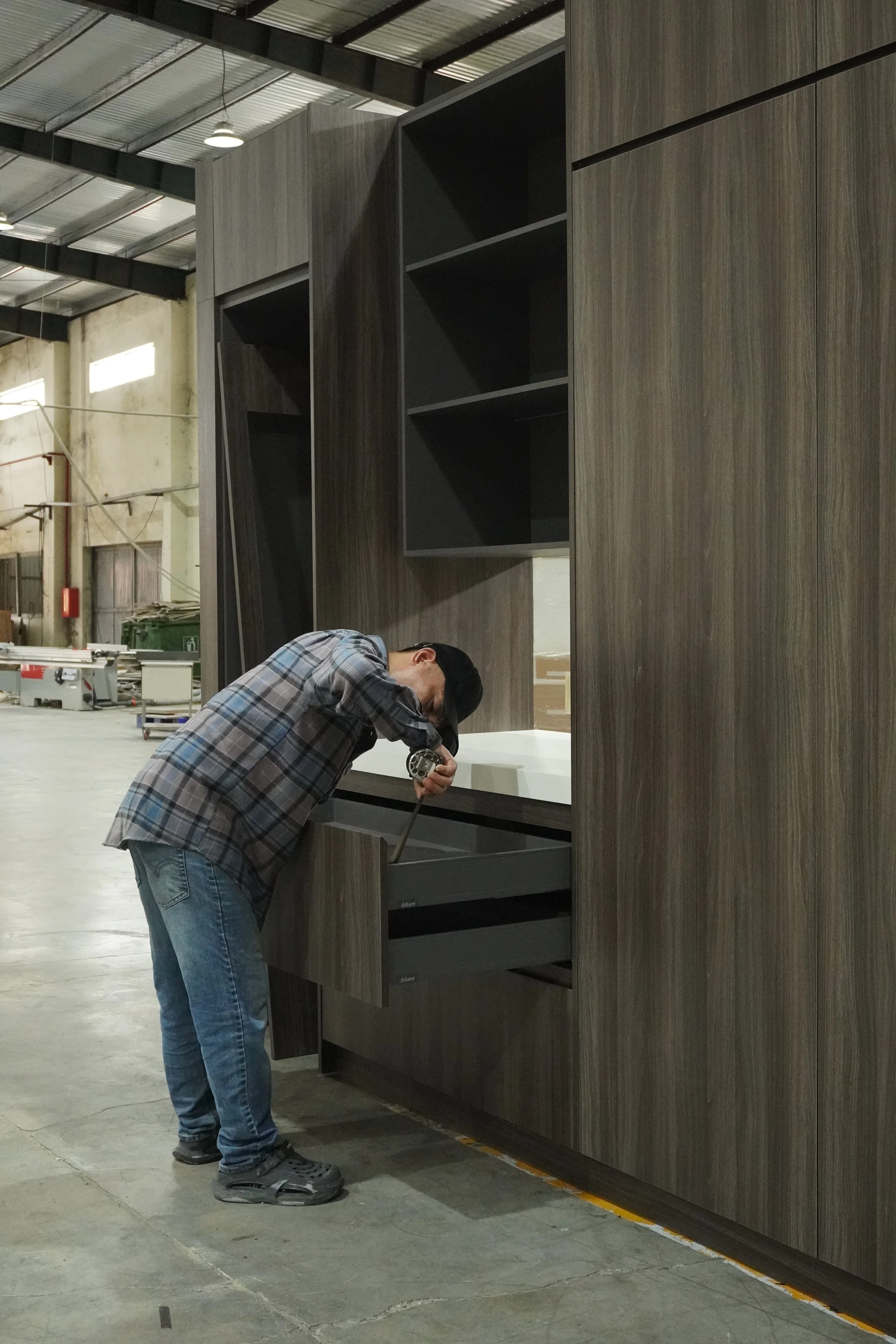
Kitchen Cabinetry Specification Guide: Substrates, Hardware and Emissions
Kitchen joinery is where most of the cost, complexity and defect risk sit in a residential fit-out. A thorough specification protects both quality and budget, and it is the clearest way to compare quotes fairly. Here is what a robust kitchen cabinetry specification should cover.
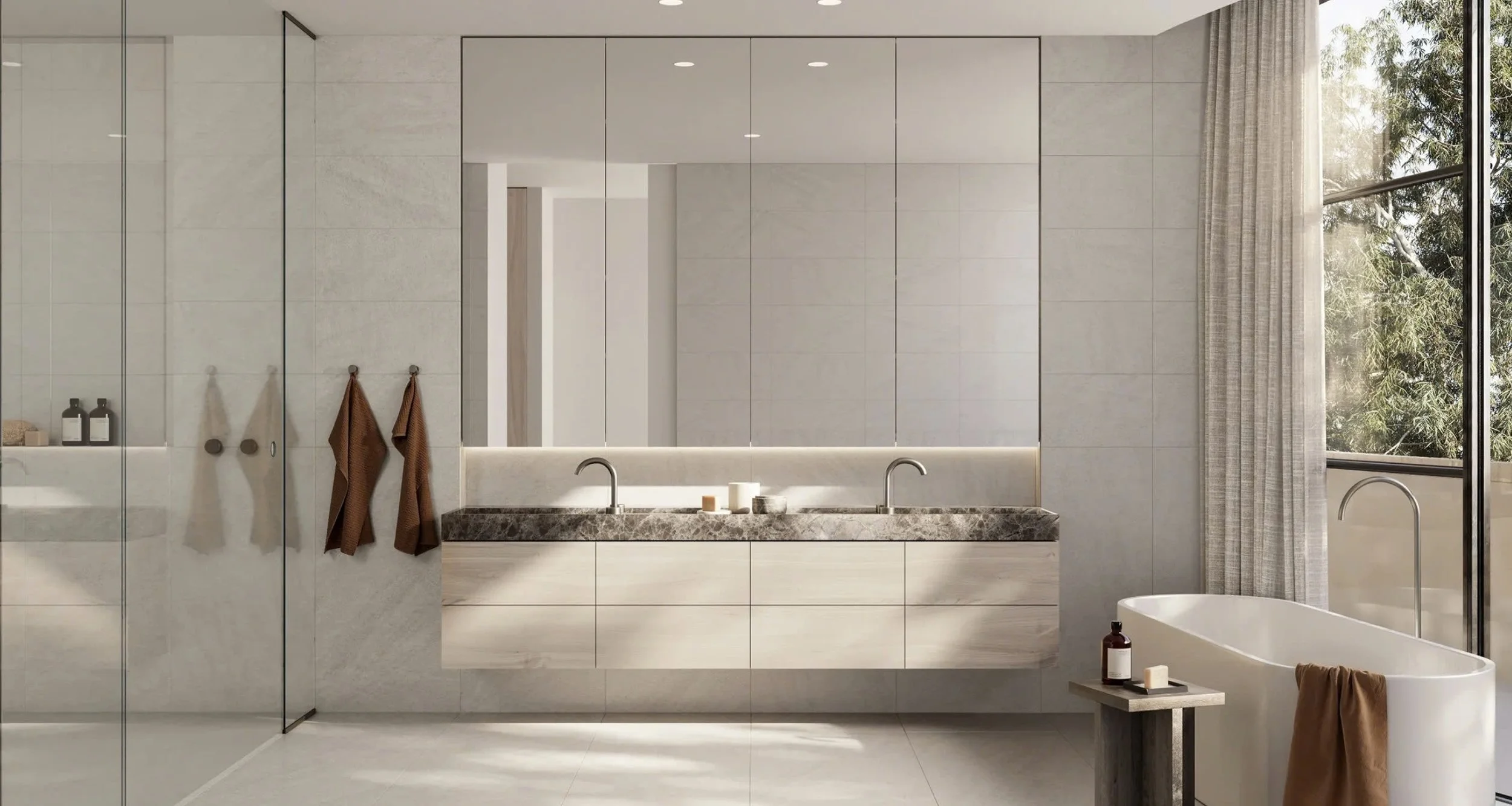
Custom Timber Staircases for Australian Builders: NCC Requirements and Sourcing Guide
A staircase is often the single most visible piece of joinery in a high-end home or lobby, and also one of the most regulated. Getting the geometry, balustrade and materials right at design stage avoids expensive rework, particularly when the staircase is manufactured offshore and shipped in components.
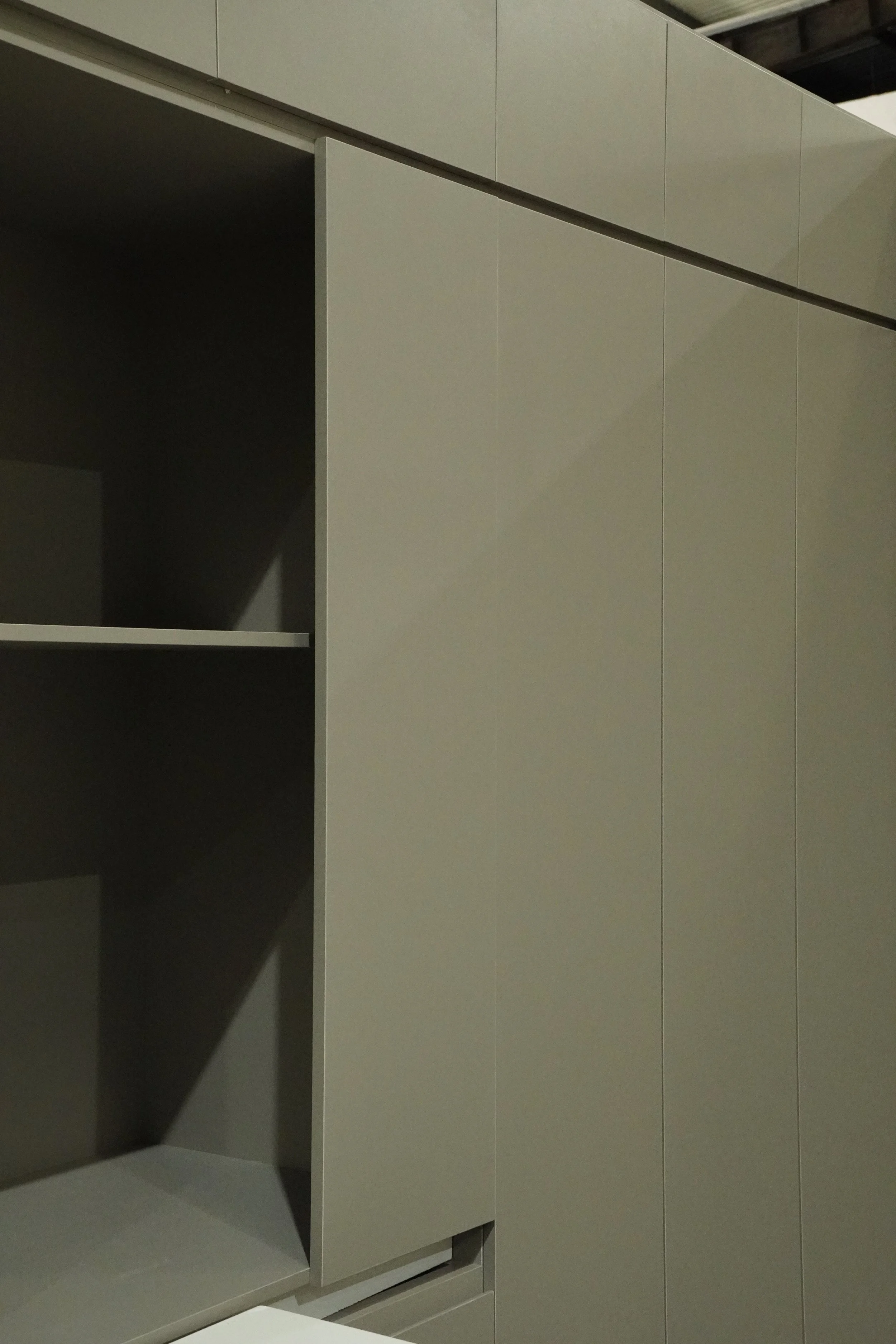
Fire-Rated Apartment Entry Doors in Australia: A Specification Guide
Apartment entry doors are one of the most scrutinised joinery items in a multi-residential project. They must perform as a fire barrier, an acoustic barrier and a premium first impression at the same time, and a failure at certification stage can stall occupancy for an entire building. This guide covers what builders and developers need to specify and verify.
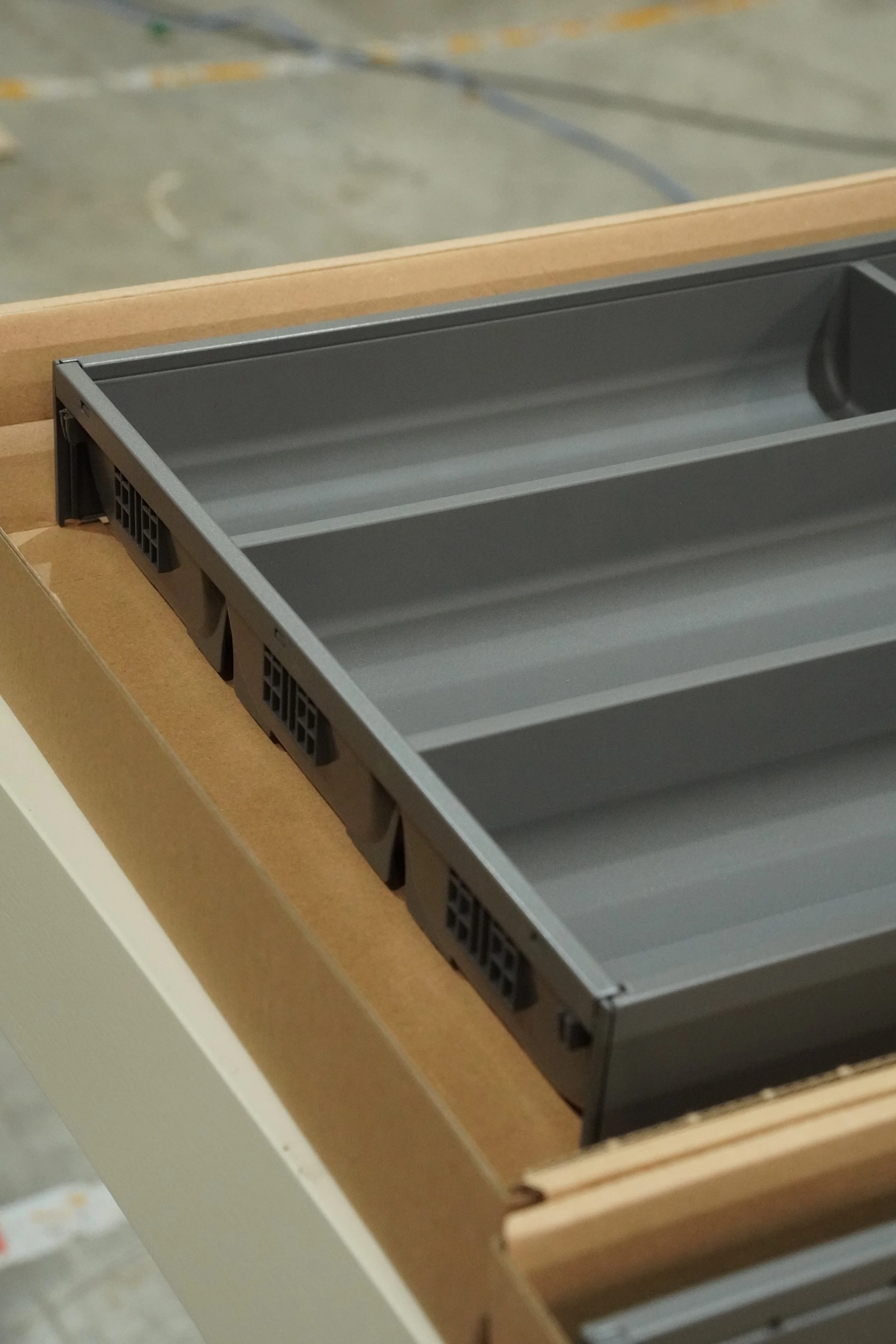
Standard Door Sizes in Australia: A Specifier's Guide to Stock and Custom Doors
"What size is a standard door in Australia?" is one of the most searched joinery questions in the country, and the honest answer is that there are several standards, and the right one depends on ceiling height, building class, and how premium the finish needs to look. This guide covers the sizes you will actually specify and when going custom makes sense.

5 Questions to Ask an Offshore Joinery Manufacturer Before You Sign a Contract
The cost and lead time advantages of offshore joinery are real, but they only materialise if you're working with a manufacturer that has the systems, certifications, and communication processes to deliver reliably to an Australian construction program. Price alone tells you almost nothing about that. These five questions separate manufacturers worth committing to from ones that will cost you more in rework and delay than they saved in freight.

Aged Care and Healthcare Joinery: Compliance, Safety, and Durability Requirements
Joinery for aged care and healthcare facilities sits under a stricter and more specialised compliance regime than standard residential or commercial work — anti-ligature requirements, infection control finishes, and durability standards for high-frequency institutional use all need to be addressed at the specification stage, not discovered during certification. This guide covers what builders need to brief and check.
How Long Does Custom Joinery Really Take? A Realistic Production Timeline
"How long will it take" is usually the second question a builder asks after price — and it's the one most often answered with an optimistic estimate that doesn't survive contact with the actual construction program. This guide gives you a realistic, stage-by-stage breakdown so you can build joinery lead time into your program accurately from day one.

Hotel and Hospitality Joinery Fit-Out: Sourcing Custom Millwork Offshore
Hospitality joinery carries a different pressure to residential or commercial work: finish quality is directly visible to paying guests, brand standards are often non-negotiable, and fit-out programs are frequently compressed against a fixed opening date. Offshore sourcing can deliver both the cost efficiency and finish quality hospitality projects need — but only with the right process in place. Here's how it works.

FSC-Certified Joinery: Meeting Sustainability Requirements in Australian Tenders
Sustainability documentation has moved from a nice-to-have to a hard tender requirement on a growing share of Australian construction projects — particularly government, institutional, and Green Star-rated developments. If your joinery supplier can't produce proper chain-of-custody paperwork, you can be excluded from a tender regardless of price or quality. Here's what actually matters.

Best Timber Species for Australian Joinery: A Climate and Durability Guide
Australia's climate range — from tropical Queensland to arid inland regions to temperate southern coastlines — means there's no single "best" timber for joinery across the whole country. The right choice depends on humidity exposure, UV intensity, and whether the joinery is internal or exposed to the elements. This guide breaks down what actually performs where.

Custom Joinery for Multi-Residential Developments: What Developers Need to Brief
Multi-residential joinery is fundamentally a different problem to bespoke residential joinery — it's about repeatable specification, consistent finish across hundreds of units, and pricing that scales with volume. A poorly written brief at the start of the process is the single biggest cause of cost blowouts and delays later. This guide covers exactly what to include.

How Much Joinery Fits in a Container? A Shipping Guide for Builders
Once you've decided offshore joinery makes sense for your project, the next planning question is logistics: how much product fits per container, which port makes sense, and what does freight actually add to your per-unit cost. This guide gives you real working numbers so you can plan a project budget without guesswork.

Importing Joinery to Australia: A Builder's Guide to AS Standards Compliance
Compliance is the single biggest risk factor when sourcing joinery from an offshore manufacturer — and it's also the one builders check least carefully upfront, because it's less visible than price or lead time. A non-compliant batch discovered during a building certifier's inspection can cost far more than any freight saving. This guide walks through exactly what to verify before you place an order.

Vietnam vs Australian Joinery: Cost & Lead Time Compared
Every builder or developer sourcing custom joinery for a project eventually asks the same question: is it actually cheaper to manufacture offshore, or does the shipping, compliance, and lead time wipe out the savings? The honest answer is "it depends on the project" — but the variables are predictable, and once you understand them, the decision becomes a straightforward calculation rather than a guess.

Why Australian Joinery Expertise Built a Factory in Vietnam
Most offshore manufacturing stories start with cost. A company looks at its margins, decides production is too expensive at home, and moves operations somewhere cheaper. The quality risk is managed — or not — from there.
Pacific Joinery's story starts differently.

The Developer's Timeline: How to Plan Joinery Into Your Project Programme
Joinery is consistently one of the most programme-critical trades on a residential or commercial development. It goes in late, it's visible, it's one of the last things a buyer sees before settlement — and it's almost always on the critical path.
Here's how to plan joinery into a large project programme correctly.

Joinery for Healthcare and Education Projects: What's Different
Residential development joinery and healthcare or education fitout joinery are not the same product. The specification, compliance requirements, durability demands, and aesthetic constraints are all different — and sourcing the wrong manufacturer for these sectors is a mistake that shows up quickly..

What Blum, Hettich & Häfele Hardware Means for Your Development Project
Hardware is the part of a kitchen or wardrobe that gets touched thousands of times a year. A drawer slider, a hinge, a soft-close mechanism — these are the components that residents interact with daily. At the scale of a residential development, hardware specification is one of the highest-leverage quality decisions a developer makes.

How Pacific Joinery Delivers 300+ Kitchens a Month Without Cutting Corners
One of the most common questions from developers evaluating Pacific Joinery for the first time: how does a factory producing 300+ kitchens and 500+ wardrobes per month maintain the standard of finish we'd expect from a boutique manufacturer?

The Hidden Costs of Getting Joinery Wrong on a Development Project
The headline cost of joinery — the price per kitchen, per wardrobe, per metre of cabinetry — is visible at tender. The cost of getting joinery wrong is not on any line item. It shows up later, in ways that are harder to see and far more expensive to fix.