
Importing Joinery to Australia: A Builder's Guide to AS Standards Compliance
Compliance is the single biggest risk factor when sourcing joinery from an offshore manufacturer — and it's also the one builders check least carefully upfront, because it's less visible than price or lead time. A non-compliant batch discovered during a building certifier's inspection can cost far more than any freight saving. This guide walks through exactly what to verify before you place an order.
Why Compliance Gets Overlooked
Price and lead time are easy to compare across quotes. Compliance documentation isn't always volunteered by manufacturers unless you specifically ask for it — and if you don't ask, you may not find out there's a gap until a certifier flags it on site. Building it into your sourcing process from the start avoids costly rework.
The Standards That Actually Apply to Joinery
Depending on the product type, the relevant standards typically include:
AS2047 — Windows and external glazed doors (structural performance, weatherproofing, water penetration)
AS1288 — Glass in buildings, including glazing selection and installation requirements
AS1530 — Fire resistance testing, relevant for fire-rated doors and joinery in commercial or multi-residential applications
AS1428 — Design for access and mobility, relevant to door widths, hardware height, and accessible joinery in aged care or public buildings
National Construction Code (NCC) — the overarching framework these standards sit within; your certifier will check against NCC provisions specific to the building class
Not every project needs every standard. A boutique residential build has very different compliance requirements to a Class 3 aged care facility or a Class 9 healthcare project.
What to Ask a Manufacturer Before Ordering
Which standards does the manufacturer test to, and do they have current test certificates? Ask for the actual certificate, not just a claim of compliance — test certificates specify the exact product configuration tested (size, glazing type, hardware), which may not automatically extend to a different configuration.
Is there a NATA-equivalent or internationally recognised test body behind the certification? Vietnamese manufacturers exporting to regulated markets (EU, US, Australia) typically test through recognised international labs — confirm which one.
Does the certificate match your exact specification? A fire door tested at 2100mm x 820mm doesn't automatically certify a 2400mm x 1200mm door of the same construction — check the tested size range against your actual order.
Who takes responsibility if a certifier rejects the product on site? Get this in writing before production starts, not after delivery.
Common Compliance Failures With Imported Joinery
Certificates that don't match the actual product configuration ordered (different glazing, different hardware, different dimensions)
Missing chain-of-custody documentation for timber sourcing, which is increasingly required for green building compliance
Fire-rated doors supplied without the required intumescent seals or correct hardware specified in the original test
Hardware substituted during production (a cheaper hinge or lock swapped in without re-certification) — always request confirmation that hardware matches the tested configuration
A Practical Pre-Order Checklist
Before signing off on a production run, confirm you have:
Current test certificates matching your exact product specification
Confirmation of the testing laboratory and its accreditation
Chain-of-custody / FSC documentation if required for your project
Written confirmation of hardware specifications matching the tested configuration
A sample unit inspected and signed off before full production begins
Clear terms on liability if the certifier rejects delivered product
How Pacific Joinery Approaches This
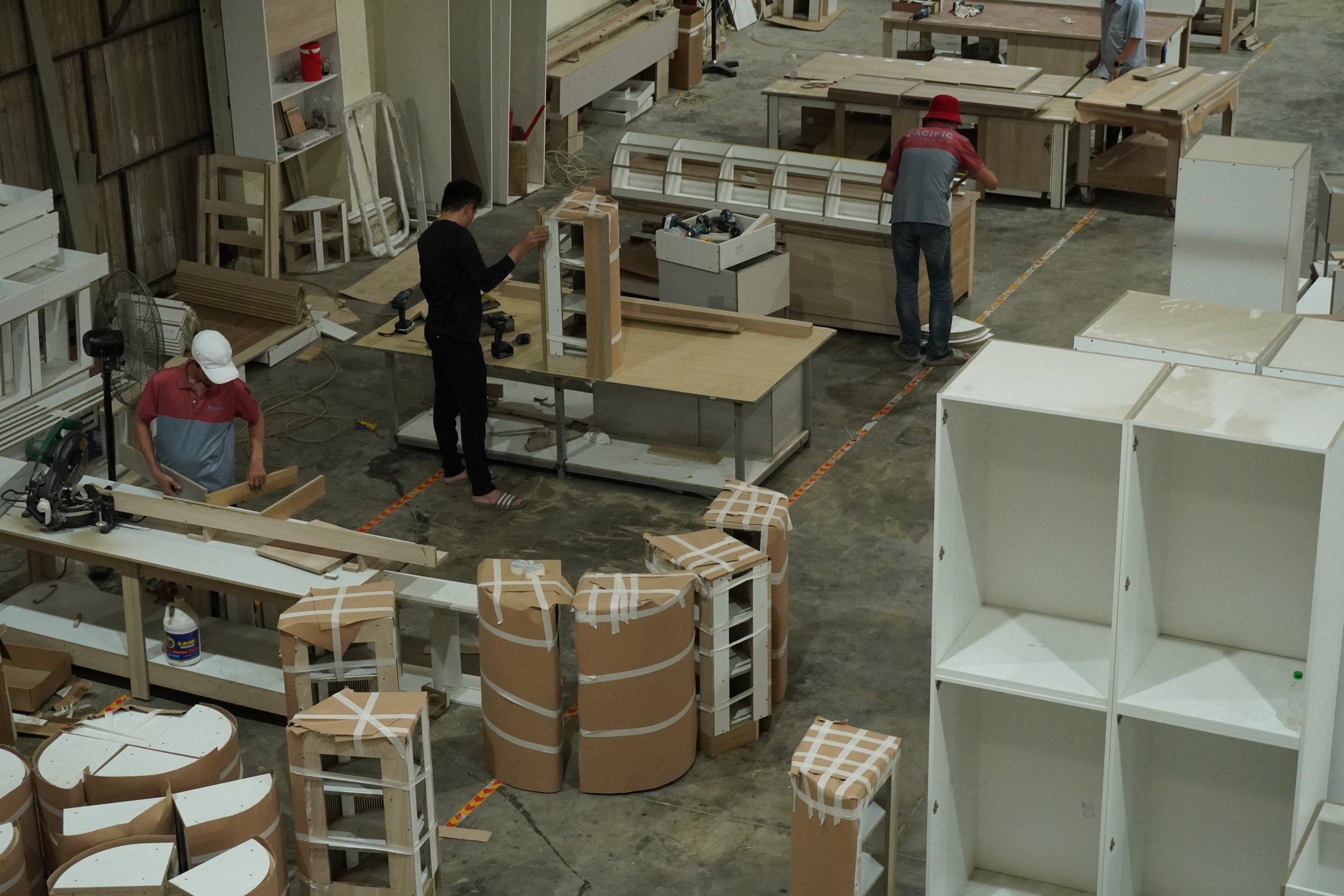
Every product line is manufactured to documented, testable specifications, with certification available on request before order confirmation — not after delivery. If your project has a specific certifier requirement (a particular fire rating, a specific glazing standard, an accessibility spec), the right approach is to confirm the exact tested configuration matches your drawings before production starts, avoiding costly rework later.
The Bottom Line
Compliance isn't a box to tick at the end of the process — it's a specification question that needs to be resolved before the first unit goes into production. A five-minute conversation confirming test certificates against your exact configuration can save weeks of on-site delays later.
Download our free pre-order compliance checklist to run through with any joinery supplier — offshore or local — before you commit to a production run.

Get in touch to discuss your next project: