
The headline cost of joinery — the price per kitchen, per wardrobe, per metre of cabinetry — is visible at tender. The cost of getting joinery wrong is not on any line item. It shows up later, in ways that are harder to see and far more expensive to fix.
Here's what's actually at stake when joinery goes wrong on a large residential project.
Delay to Practical Completion
Joinery is typically one of the last major trades through a residential development. A defective or delayed joinery delivery can hold up PC on the whole project — which means penalty clauses, settlement extensions, holding costs, and potentially compensation to buyers.
On a 100-unit development, even a two-week delay to practical completion has a real dollar cost that dwarfs any per-unit saving on a cheaper joinery specification.
Post-Handover Warranty Costs
Hardware failures — hinges that sag, drawer runners that stick, soft-close mechanisms that fail — generate warranty claims. On a large development, warranty call-out costs accumulate fast. A site visit to adjust a single hinge might cost $150 in labour once you factor in travel and trade time. Multiply that across 400 apartments, and even a 10% failure rate is a significant liability.
Specifying tier-one hardware brands — Blum, Hettich, Häfele — and working with a manufacturer who uses them consistently is the most reliable way to manage post-handover warranty risk.
Reputational Cost With Buyers
In a strata development, unhappy residents talk. Social media, online reviews, and word-of-mouth among buyer networks mean that joinery quality issues can affect the reputation of your next project before it even goes to market.
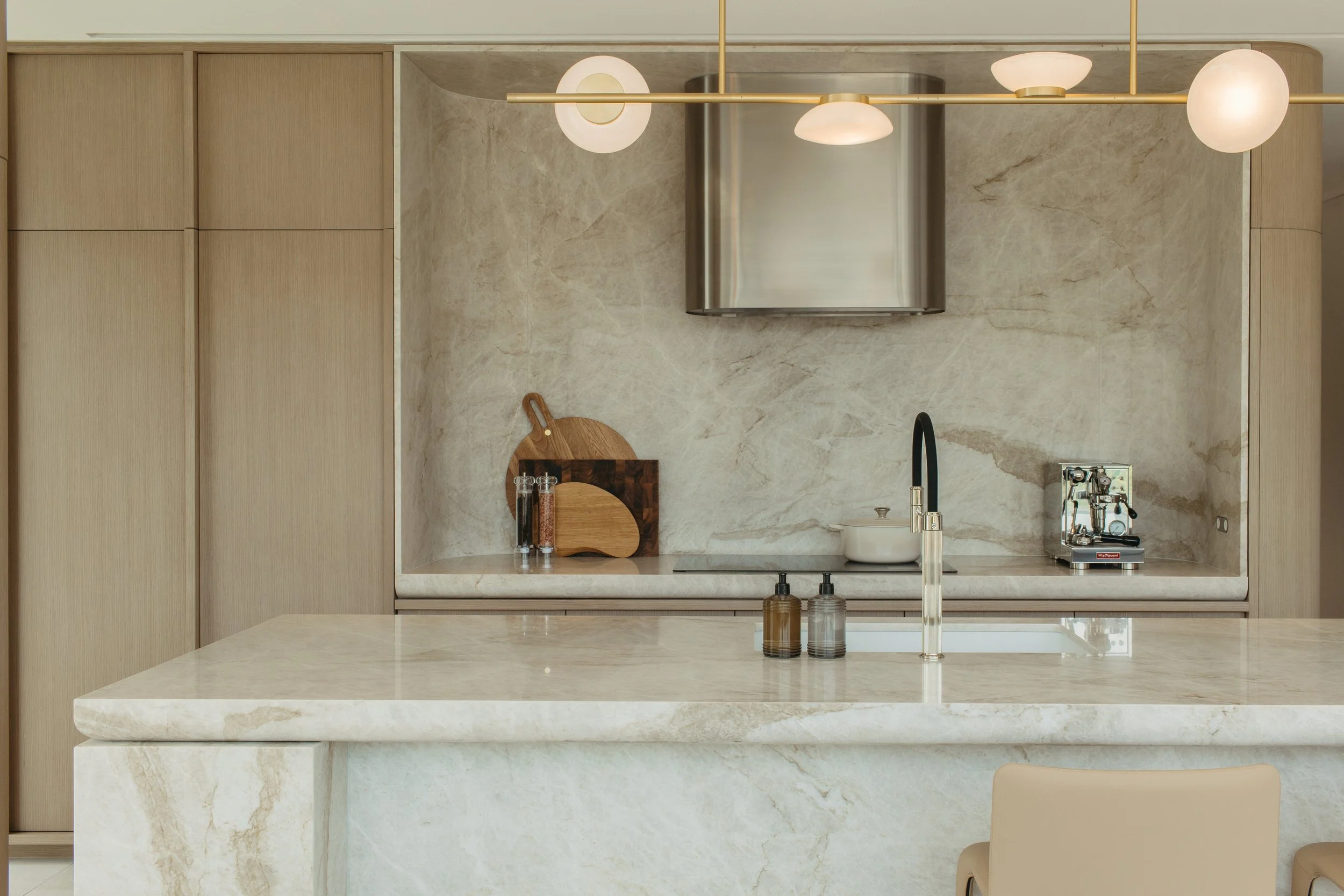
Kitchen and wardrobe quality is one of the most visible, tactile, daily touchpoints a resident has with their home. It's remembered.
The Cost of Re-Procurement Mid-Project
If a supplier fails mid-project — financially, operationally, or on quality — the cost of finding a replacement at speed is severe. Alternative suppliers rarely have capacity to absorb a large order at short notice, pricing is set in a position of weakness, and the programme impact is unavoidable.
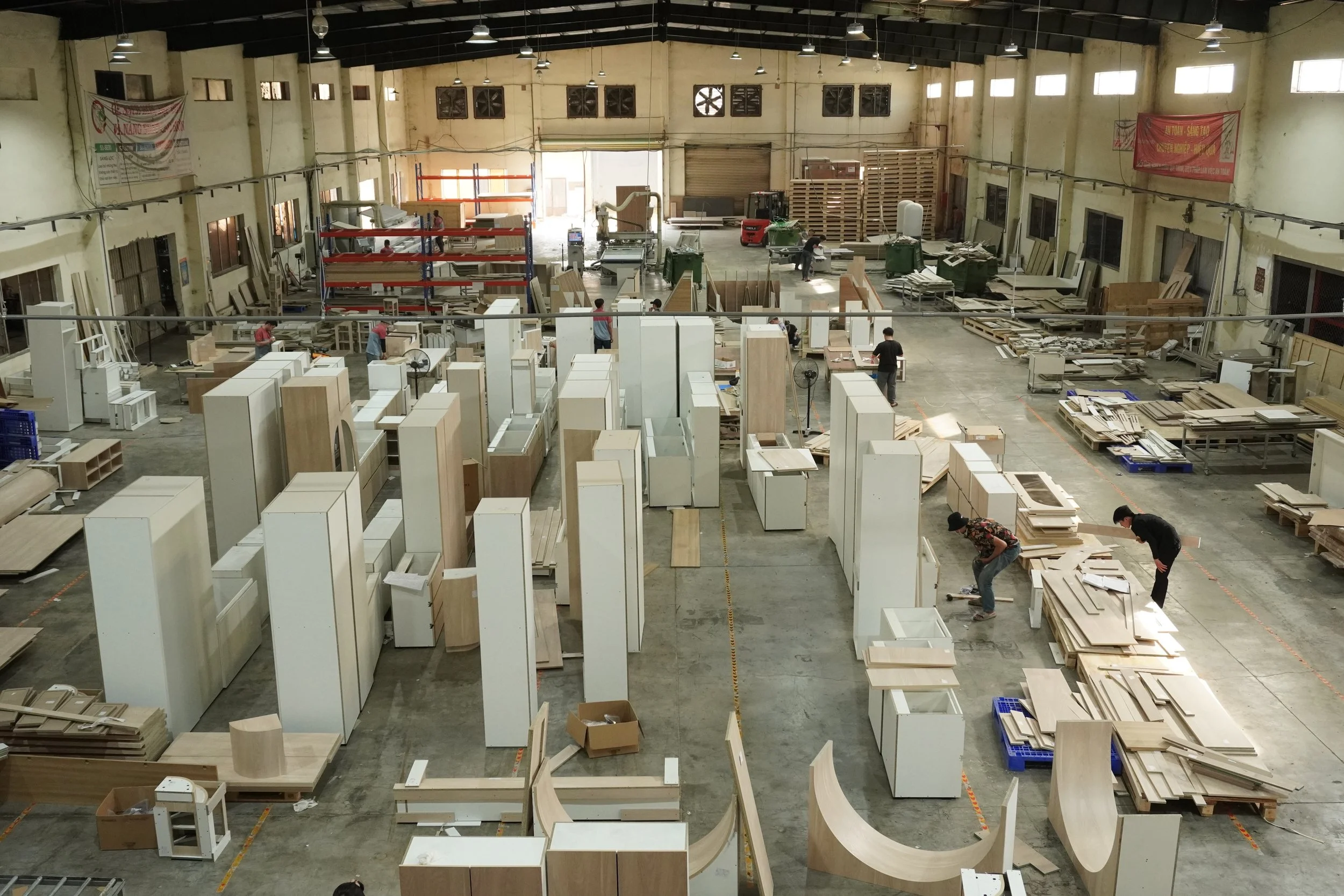
Working with a manufacturer who has demonstrated capacity, financial stability, and a track record of large-project delivery is a form of insurance. Pacific Joinery's Ho Chi Minh City facility produces 300+ kitchens per month as a baseline — it does not take on orders it cannot fulfil.
The cheapest joinery is rarely the cheapest outcome. The right question is not "what does the joinery cost?" but "what does it cost if the joinery goes wrong?"
Talk to Pacific Joinery about building a supply relationship that protects your programme.
Get in touch to discuss your next project: